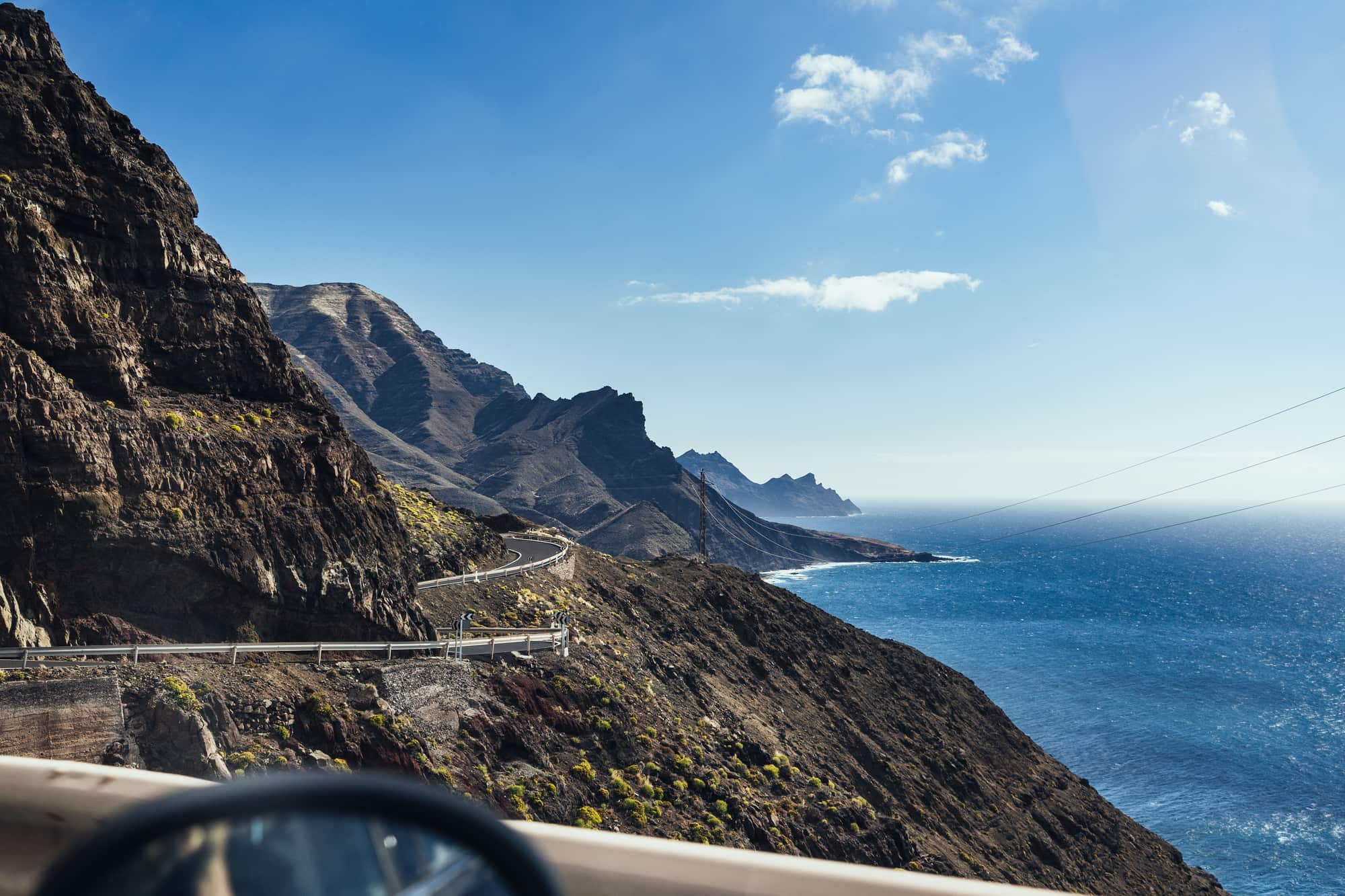
Car hire in Tenerifewith no excessThe deductible for each cover level, shown on the car before you book
Where does a car show that it has no excess?
Start a searchCar hire in Tenerife with no excess is something you find on a particular car at a particular cover level, and each car shows it before you book. Open a car from the search results and its comparison of insurance policies lists the cover levels it offers, Minimum, Basic, Full and Full Plus, with a deductible row under them that reads an amount, “No franchise” or “Not available” for each level. The results list and the result card do not show the excess; it sits in the car's own view, opened from the result.
The excess is not the deposit. The deposit is held for the rental, and how it is held and when it is refunded are shown during booking and in the voucher. Some cars take no deposit at all, which is the search behind no deposit car hire at Tenerife North Airport, and the excess on those cars is read in the same comparison as on any other. Both numbers belong to the car, not to the island, so two cars side by side can differ on each.
What does the deductible row say at each cover level?
See the cars for your datesThe deductible is the most you pay towards damage to the car; above it, the insurance pays. An amount on the row is that ceiling at that level. “No franchise” means the car carries no excess at that level, and “Not available” means the car is not offered at that level at all. Each level is priced per car, so two cars can read differently at the same level, and one car reads differently from one level to the next.
The comparison is on every car wherever it is handed over, so a car collected after landing at Tenerife South for the drive north is compared the same way as one brought to a hotel: level by level, before you book. At both airports the handover is in the arrival area. Puerto de la Cruz has named points: Free parking Puerto de la Cruz, Parking Parque Taoro and the Bus Station Guaguas Puerto de la Cruz. Everywhere else the car is brought to the address you give, and whether delivery is included or priced is shown on each car.
What sits around the excess on every car?
Cars that take no deposit01 The deposit, a separate number
How the rest of the rental is paid, how the deposit is held and when it is refunded are shown during booking and in the voucher. A physical credit card with embossed details in the main driver's name may be required; where a debit card is accepted, the booking and the voucher say so.
02 What standard cover leaves out
Standard insurance does not cover the wheels, the undercarriage, the windscreen or the interior. That is the standard level. For a higher level, open the car's comparison of insurance policies, where the deductible row reads level by level.
03 Report it at once
After an insured event, tell the rental agent immediately and get a police report, unless the agent has agreed otherwise. Without both, the insurance on the car is cancelled and the driver is fully responsible, whatever the deductible row said.
04 Deliberate damage or neglect
The insurance is invalid when damage to the car is deliberate, through intentional vandalism, or the result of neglect.
05 Paved public roads only
A hire car may travel on paved public roads only. The tracks that tempt are in Teno and parts of Anaga, and the drives through Teno and Anaga are planned on the paved roads alone, because a car taken off them is outside what the rental allows.
On which roads does the cover level matter most?
The island's roads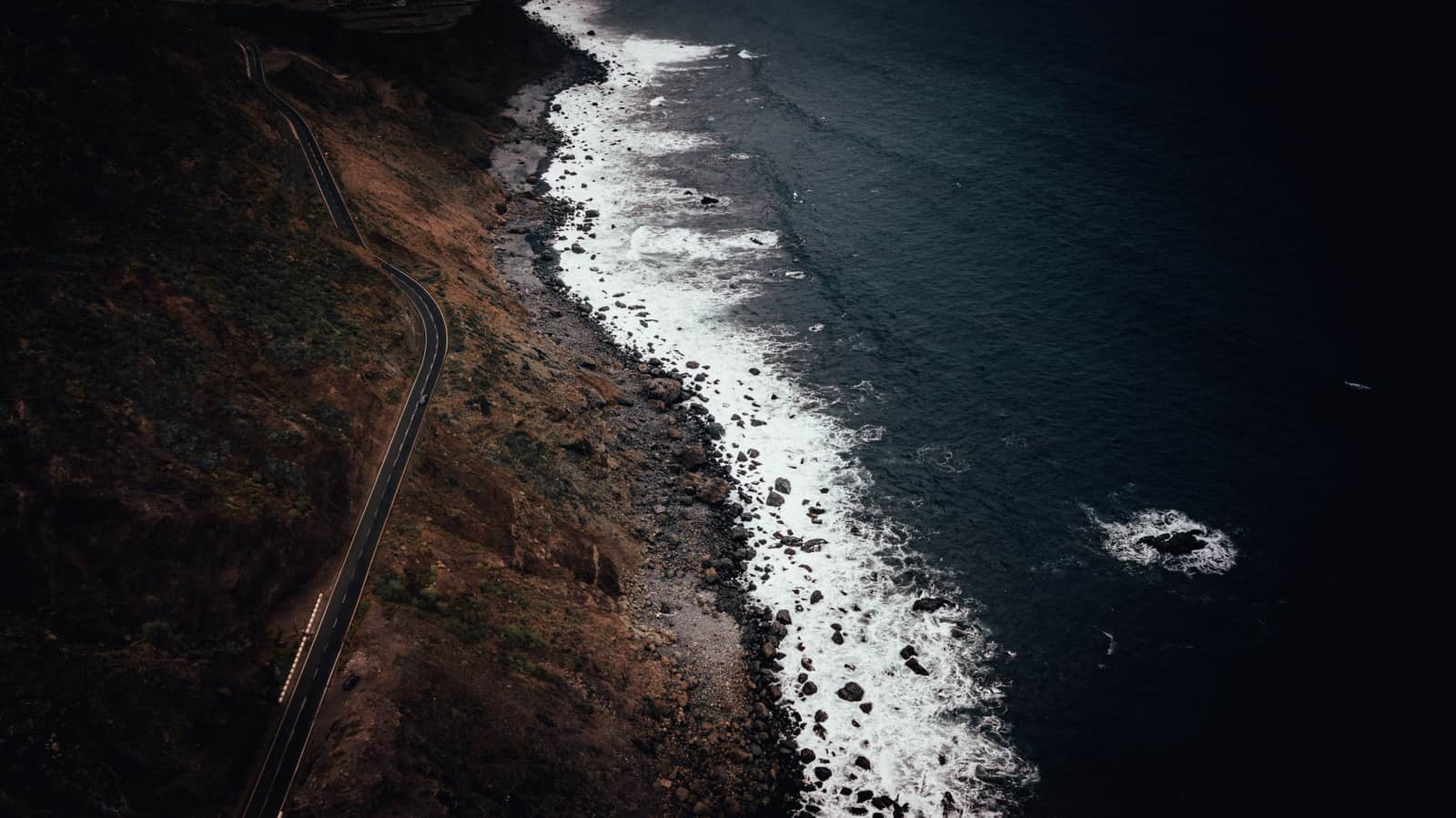
The TF-436 into Masca and the climb to Teide are where the parts standard cover leaves out are most exposed. The TF-436 is the only road in and out of Masca, with narrow sections where even firefighting vehicles struggle to pass oncoming traffic. While a fire-risk alert is declared, access control on that road turns back vehicles driven by visitors for purely recreational purposes from 09:00 to 16:00, and it switches on and off with the risk, so check before setting off; bus line 355 runs to the village.
On the long climb to Teide, the TF-21 runs from the coast up to the cable car base at km 43, at 2,356 m, and there is no fuel station inside the national park, so the tank is filled before the climb. The wheels, the undercarriage, the windscreen and the interior are the parts a narrow mountain road is most likely to damage, which is why the deductible row is worth reading on the car you take up there.
Ready when you are
All pickup pointsOpen any car for your dates and read its deductible at each cover level, next to the deposit, before you book.
What do you need at the handover?
Landing at Tenerife South01 The card in the main driver's name
If the booking asks for a credit card, it is a physical, embossed one in the main driver's name, and it has to be with you when you collect. A debit card, where the booking and the voucher accept one, must also be physical, personalised, embossed and in the main driver's name.
02 The licence card itself
A valid national licence with its details in Latin script, expiring no earlier than the end of the rental; copies and electronic licences are not accepted. If the licence is valid only in the country that issued it, an International Driving Permit is strongly recommended. Minimum age and driving experience are set per car, and the agent may refuse the handover if they are not met.
03 The fuel level you are given
The car goes back with the same level of fuel. A lower level is charged at the rental company's rates, and a fuller tank is not refunded. Fuel, parking and fines are the renter's to pay; Tenerife's motorways are toll-free.
04 A phone that answers
The number given at booking, with its country code, must be reachable throughout the rental and on the day before pick-up. The shortest chargeable rental is 24 hours.
Is a higher cover level worth it for your week?
Up to the craterIt depends on the roads in the plan and on what the car's comparison shows. The standard level leaves out the wheels, the undercarriage, the windscreen and the interior wherever the car is driven, and the narrow roads to Masca, through Teno and across parts of Anaga are where those parts are most exposed.
So open the car and read the deductible row level by level. Where a level reads “No franchise”, that car has no excess at that level, and the price of the level is shown with it. Where every level reads an amount or “Not available”, that car offers no level without an excess, and another car in the same search may.
Frequently asked questions
Check each car's coverThe questions below cover the excess on each car and what sits around it: where the deductible row is, how it differs from the deposit, what standard cover leaves out and what cancels the insurance. The rental conditions are set out in full on the terms page.
Can I hire a car in Tenerife with no excess?
Yes, on some cars at some cover levels. Each car's insurance comparison lists its cover levels (Minimum, Basic, Full and Full Plus) with a deductible row, and where that row reads "No franchise", the car carries no excess at that level. It is per car and per level, and each level is priced, so check the car you are about to book rather than assuming the next one reads the same.
Where do I see the excess before I book?
In the car's own view, opened from the search result. The results list and the result card do not show the excess; the insurance comparison inside the car does, as one deductible row across its cover levels.
What is the difference between the deposit and the excess?
The excess, or deductible, is the most you pay towards damage to the car; above it, the insurance pays. The deposit is held for the rental, and how it is held and when it is refunded are shown during booking and in the voucher. They are separate numbers, and each car shows both.
What does standard cover leave out?
Standard insurance does not cover the wheels, the undercarriage, the windscreen or the interior. That is the standard level; for any higher level, open the car's comparison of insurance policies, where its deductible row reads level by level.
What cancels the insurance?
Not telling the rental agent immediately after an insured event, or not getting a police report, unless the agent has agreed otherwise: either one cancels the insurance and leaves the driver fully responsible. Deliberate damage or neglect makes the insurance invalid, and a hire car is allowed on paved public roads only.
Do I need a credit card to collect the car?
It may be required: a physical credit card with embossed details in the main driver's name. Some rental companies accept a debit card instead, and when they do, the booking and the voucher say so; it too must be physical, personalised, embossed and in the main driver's name. Have the card with you at the handover.
Ready when you are
All pickup pointsSearch your dates from any pickup point on the island, open a car, and compare its cover levels and their deductibles before you commit.